Why Bulk Salt Storage Matters: Best Practices for Maintaining Product Quality
Learn why proper bulk salt storage is essential for maintaining product quality, reducing waste, and ensuring reliable winter operations. Discover expert storage best practices from Abraxus Salt.
Protecting Your Salt Investment
When winter weather arrives, dependable salt supplies are essential for municipalities, commercial property managers, contractors, schools, healthcare facilities, and distribution centers. Purchasing bulk salt is a smart, cost-effective decision, but the value of that investment depends on how well the material is stored. Improper storage can lead to moisture absorption, caking, contamination, unnecessary waste, and reduced performance during snow and ice events.
At Abraxus Salt, we understand that high-quality products deserve high-quality storage practices. Proper bulk salt storage helps preserve product quality, reduces operating costs, minimizes environmental impact, and ensures your team is prepared whenever winter weather strikes.
Why Proper Bulk Salt Storage Is So Important
Salt naturally attracts moisture from the surrounding air. When exposed to rain, snow, humidity, or standing water, it can clump together and become difficult to spread efficiently. Excess moisture may also increase handling costs, reduce application accuracy, and create unnecessary product loss.
Proper storage protects your investment while ensuring consistent spreading performance throughout the winter season. Businesses that maintain high-quality storage facilities typically experience lower waste, improved operational efficiency, and fewer emergency supply issues.
Choose the Right Storage Location
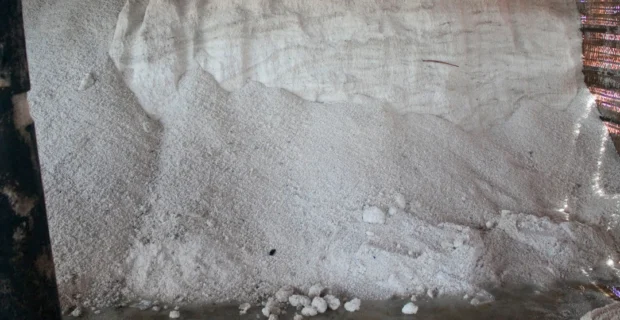
The first step in protecting bulk salt is selecting an appropriate storage location. Whenever possible, store salt inside a fully enclosed structure that shields it from precipitation and excessive humidity. Buildings with solid roofs, enclosed walls, and durable concrete floors provide the greatest protection.
If indoor storage is unavailable, temporary storage should still minimize exposure to weather. Heavy-duty covers, properly secured tarps, and well-designed containment systems help reduce moisture infiltration until permanent storage becomes available.
Control Moisture Before It Becomes a Problem
Moisture is the biggest threat to stored salt quality. Even small amounts of water entering a storage facility can lead to hardened piles and unnecessary waste.
Best practices include maintaining a watertight roof, repairing leaks promptly, directing drainage away from the storage area, avoiding standing water, and keeping doors closed whenever practical during storms or periods of high humidity. Good airflow also helps minimize condensation inside storage buildings.
Keep Salt Off the Ground
A clean, solid base helps prevent contamination and moisture migration from the ground. Concrete pads are generally preferred because they provide excellent drainage resistance and make equipment operation easier.
Avoid storing salt directly on soil or gravel whenever possible. Ground moisture can migrate into the pile while dirt and debris reduce overall product quality.
Prevent Cross-Contamination
Bulk salt should be stored separately from sand, fertilizers, chemicals, landscaping materials, or other products. Mixing materials can affect spreading consistency and reduce deicing performance.
Keep loaders, conveyors, and other equipment clean before handling salt. Simple housekeeping practices help preserve product purity while extending equipment life.
Practice Proper Inventory Rotation
Like many bulk materials, salt benefits from good inventory management. Use older inventory first whenever possible and replenish supplies before severe winter weather creates shortages. Keeping accurate inventory records helps businesses forecast demand, schedule deliveries, and avoid emergency purchases during peak storms.
Working with a dependable supplier like Abraxus Salt also helps ensure consistent deliveries throughout the season.
Reduce Waste and Lower Costs
Every ton of salt lost to moisture, contamination, or poor handling increases operating costs. Investing in proper storage often pays for itself through reduced waste, better spreader performance, fewer equipment issues, and improved employee productivity.
Businesses that proactively maintain their storage facilities are also better positioned to respond quickly when winter storms arrive.
Partner with Abraxus Salt
At Abraxus Salt, we provide dependable bulk salt delivery backed by responsive customer service and industry expertise. Whether you need rock salt for municipal roadways, commercial parking lots, industrial facilities, or private contractors, our team is committed to helping you maintain reliable inventory throughout the winter season.
We also work with customers to help develop purchasing strategies that support efficient storage, minimize waste, and keep operations running smoothly when weather conditions become challenging.
Proper bulk salt storage is about more than simply protecting a pile of salt. It is an investment in product quality, operational efficiency, safety, and long-term cost savings. By controlling moisture, selecting appropriate storage facilities, preventing contamination, and practicing effective inventory management, organizations can maximize the value of every delivery.
If you’re planning ahead for the upcoming winter season, contact Abraxus Salt today to learn more about our dependable bulk salt solutions and reliable delivery services. Together, we can help ensure your organization stays prepared for whatever winter brings.