Why Bulk Salt Storage Matters: Best Practices for Maintaining Product Quality
When winter weather hits, having enough salt on hand can make the difference between keeping your property safe and scrambling to find supplies during a major storm. For businesses, municipalities, property managers, snow removal contractors, and other organizations responsible for winter maintenance, planning ahead is essential.
One of the most effective tools for better salt inventory management is also one of the most accessible: weather forecasting.
By monitoring both long-range winter forecasts and short-term storm predictions, you can make smarter decisions about when to order salt, how much inventory to keep on hand, and when it may be time to replenish your supply.
Why Salt Inventory Planning Matters
Winter weather can be unpredictable. A relatively mild stretch can quickly turn into multiple snow and ice events within a matter of days. When severe winter weather affects a large region, demand for bulk road salt and ice melt products can increase dramatically.
Waiting until a major winter storm appears in the short-term forecast to place your salt order may leave you competing with many other businesses and snow removal professionals who are doing the same thing.
Proactive inventory planning gives you more flexibility.
Instead of asking, “How much salt do we need for the next storm?” consider asking, “How much salt could we reasonably need over the next several weeks?”
That change in perspective can help your organization stay better prepared throughout the winter season.
Use Long-Range Weather Forecasts to Anticipate Demand
Long-range weather forecasts cannot tell you exactly how much snow will fall on a specific property several weeks from now. What they can provide is useful information about developing weather patterns.
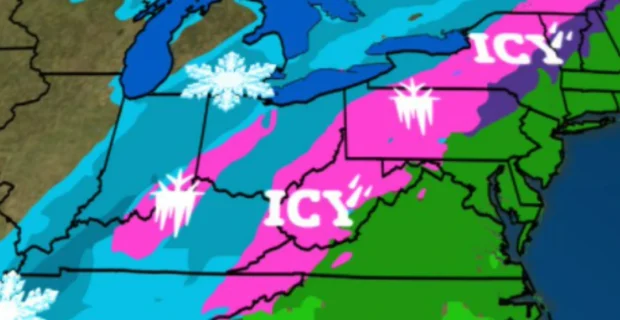
Pay attention to forecasts that indicate extended periods of below-freezing temperatures, above-average precipitation, significant temperature fluctuations, or patterns that could create repeated opportunities for snow and ice.
For example, several days of precipitation combined with temperatures moving above and below freezing could increase the potential for icy conditions. For a business responsible for maintaining parking lots, sidewalks, roads, or other surfaces, that may signal a need to review current rock salt inventory before demand increases.
Think of long-range forecasting as an early warning system rather than an exact prediction.
Don’t Wait for the Storm to Order Salt
One of the biggest mistakes organizations can make is allowing their salt inventory to become critically low before placing another order.
When a major snow or ice storm is approaching, everyone else may be looking for salt too.
Demand can rise quickly, and depending on the severity and duration of the winter weather, availability and delivery schedules may become tighter.
Establish an inventory threshold for your organization. When your supply falls below that level, begin the reordering process rather than waiting until you’re nearly out.
Your threshold should take into consideration your average salt usage, property size, number of locations serviced, available storage capacity, typical delivery time, and upcoming weather conditions.
Track How Much Salt You Actually Use
Weather forecasts become even more valuable when they’re combined with your own historical information.
Keep records of how much deicing salt you use during different types of winter weather events. A light snowfall may require significantly less material than an extended ice event or a storm followed by repeated freeze-thaw cycles.
Over time, these records can help you estimate your potential salt requirements based on upcoming conditions.
If a similar weather pattern is forecast, you’ll have actual information from previous events to help determine whether your existing inventory is likely to be sufficient.
Monitor More Than Snowfall Totals
When planning your commercial salt supply, don’t focus exclusively on how many inches of snow are predicted.
Temperature can be equally important.
Freezing rain, sleet, rapidly falling temperatures, refreezing pavement, and repeated freeze-thaw cycles can create significant ice management challenges even when snowfall totals are relatively low.
Monitor precipitation forecasts, overnight lows, pavement conditions when available, and expected temperature changes. Together, these factors provide a much clearer picture of how much salt your operation may need.
Build a Salt Inventory Buffer
If you typically use a certain amount of salt during a storm, keeping only that exact amount in inventory leaves little room for surprises.
Winter weather rarely follows a perfect schedule.
A storm may last longer than expected. Temperatures may fall more quickly. Another system may arrive shortly afterward. Your organization may also experience greater salt usage than anticipated.
Maintaining a reasonable inventory buffer gives you additional protection against unexpected weather and sudden increases in demand.
The appropriate amount will vary depending on your operation, storage capacity, typical usage, and risk tolerance.
Make Weather Forecasting Part of Your Winter Operations
Salt inventory management shouldn’t be something you think about only when snow starts falling.
During winter, make checking extended forecasts part of your regular operational routine. Compare upcoming conditions with your current salt inventory and recent usage.
A simple process can make a significant difference:
Check the forecast. Check your inventory. Review your usage. Reorder before it becomes urgent.
The earlier you recognize the potential for increased demand, the more time you have to prepare.
Stay Ahead of Winter with Abraxus Salt
You can’t control what winter brings, but you can control how prepared you are for it.
Using weather forecasting as part of your salt inventory planning strategy can help your business anticipate demand, maintain appropriate inventory levels, reduce the risk of running short, and make better purchasing decisions throughout the winter.
At Abraxus Salt, we understand how important dependable access to salt is when winter weather arrives. Planning your salt purchases before severe conditions are on the doorstep can help keep your winter operations moving when it matters most.
Don’t wait until the forecast has everyone looking for salt.
Review your inventory, watch the weather, and prepare early with Abraxus Salt.