
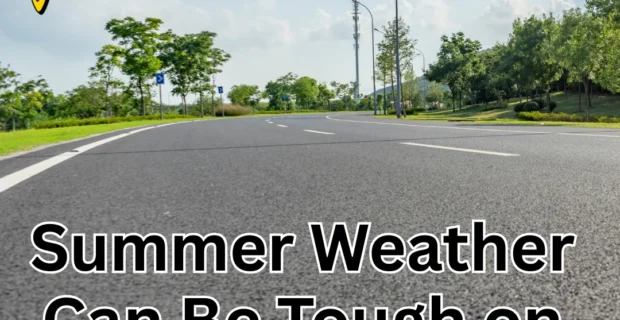
Summer Weather Can Be Tough on Pavement, Too: Protecting Asphalt and Concrete During the Hottest Months
When most people think about pavement damage, winter is usually the first season that comes to mind. Snow, ice, freeze-thaw cycles, and deicing materials all play a role in pavement deterioration. However, summer weather can be just as challenging for asphalt and concrete surfaces. High temperatures, intense UV exposure, heavy vehicle traffic, and standing water can all contribute to premature wear and costly repairs.
For property managers, facility directors, municipalities, and commercial property owners, understanding how summer conditions affect pavement is essential to protecting your investment and extending the life of your parking lots, driveways, roads, and walkways.
At Abraxus Salt, we know that successful pavement management is a year-round effort. While winter maintenance solutions help keep properties safe during snow and ice events, summer is the ideal time to inspect, maintain, and protect pavement before small issues become major expenses.
How Summer Heat Impacts Asphalt
Asphalt is particularly vulnerable to extreme summer temperatures. During prolonged periods of heat, asphalt surfaces can soften and become more susceptible to damage from vehicle traffic. Heavy trucks, delivery vehicles, and even parked cars can leave depressions, ruts, or surface distortions when pavement temperatures climb.
High temperatures also accelerate oxidation, causing asphalt to lose flexibility and become more brittle over time. This increases the likelihood of cracking, allowing water to penetrate beneath the surface and create additional structural damage.
The Hidden Effects of UV Exposure
The sun’s ultraviolet rays can be surprisingly damaging to pavement surfaces. Continuous UV exposure gradually breaks down the binders that hold asphalt together. Over time, asphalt fades from its rich black appearance to a dull gray color, often one of the first visible signs of deterioration.
As UV damage progresses, pavement becomes increasingly dry and brittle. Cracks begin to form, allowing moisture to infiltrate the surface. Once water enters these cracks, the pavement becomes vulnerable to additional damage from weather, traffic, and seasonal temperature fluctuations.
Heavy Traffic Accelerates Wear and Tear
Summer often brings increased traffic to commercial properties, retail centers, industrial facilities, and municipal roadways. Vacation travel, outdoor events, construction projects, and seasonal business activity can all contribute to higher vehicle volumes.
Every vehicle that travels across pavement creates stress on the surface. Heavier vehicles generate even greater pressure, particularly when pavement is already softened by high temperatures. Areas such as loading zones, drive lanes, intersections, and parking lot entrances are especially susceptible to accelerated wear.
Over time, repeated traffic loads can create surface cracking, rutting, potholes, and structural failures that require costly repairs if not addressed promptly.
Why Standing Water Is a Serious Concern
One of the most overlooked threats to pavement during the summer months is standing water. Summer thunderstorms and heavy rainfall can expose drainage issues that allow water to pool on pavement surfaces. When water remains in place for extended periods, it can seep into small cracks and joints, weakening the pavement foundation and leading to erosion beneath the surface.
Standing water may also accelerate asphalt deterioration by breaking down surface materials and contributing to pothole formation. In concrete surfaces, moisture infiltration can lead to joint damage, cracking, and long-term structural concerns.
The Importance of Summer Pavement Maintenance
Summer provides the perfect opportunity to evaluate pavement conditions and implement preventative maintenance measures. Addressing minor issues now can help avoid larger, more expensive repairs later.
Property owners should regularly inspect pavement for cracks, fading, standing water, potholes, drainage issues, and areas of excessive wear from traffic. Preventative maintenance services such as crack sealing, sealcoating, patching, and drainage improvements can help protect pavement from ongoing environmental stress.
Protecting Your Investment Year-Round
Pavement represents a significant investment for any commercial property, municipality, or facility. While winter maintenance often receives the most attention, summer conditions can quietly create damage that shortens pavement lifespan and increases long-term costs.
By understanding the effects of heat, UV exposure, traffic, and standing water, property owners can make informed decisions that preserve pavement performance and appearance for years to come.
At Abraxus Salt, we believe effective property maintenance does not stop when the snow melts. Our team works with clients throughout the year to support safe, well-maintained properties and help identify solutions that protect valuable infrastructure.
If you are evaluating your pavement conditions this summer or planning ahead for future maintenance needs, now is the perfect time to take action. A little attention today can help prevent significant repairs tomorrow.